November 19, 2026
Your custom home planning checklist from property search to move in
By @lifeathome
Start with a clear vision for your custom home
Building a custom home is a long process that rewards careful planning. Before you look at land or talk to builders, you need a clear sense of what you want. Think about your daily routines, the number of bedrooms you need, and any special spaces like a home office or workshop. This vision will guide every decision you make later. It also helps you communicate your needs to a custom home builder like Hache Homes, who can turn your ideas into a practical design. Without a clear vision, you risk making costly changes halfway through construction.
Check your budget and financing early
Your budget is the backbone of your project. Start by getting pre-approved for a construction loan, not a standard mortgage. Construction loans work differently: they release funds in stages as your home is built. Talk to your bank or a mortgage broker to understand the terms, interest rates, and how much you can borrow. Remember to include soft costs like permits, site surveys, and landscaping. A realistic budget prevents you from falling in love with a design you cannot afford. It also helps you choose a lot that fits your financial limits.
Research zoning and building regulations
Every piece of land comes with rules. Before you buy a lot, check the local zoning bylaws. These rules determine what you can build, how tall the structure can be, and how close it can sit to property lines. Also look at building codes, flood zones, and environmental restrictions. Some areas have minimum square footage requirements or restrictions on accessory dwelling units. A quick call to the municipal planning office can save you from buying land that cannot support your dream home. Experienced builders like Hache Homes often know these regulations well and can point you toward suitable lots.
Find the right property for your custom home
The location of your home affects everything from commute times to resale value. Start your property search by listing your must-haves: proximity to schools, hospitals, shopping, and work. Drive around neighborhoods at different times of day to see traffic patterns. Look at the slope of the land, drainage, and soil quality. A steep lot may require expensive retaining walls, while poor soil may need extra foundation work. Check for utility connections: water, sewer, gas, and electricity. If the lot is rural, you might need a septic system and a well, which add cost and complexity. Visit the property after a heavy rain to see how water drains.
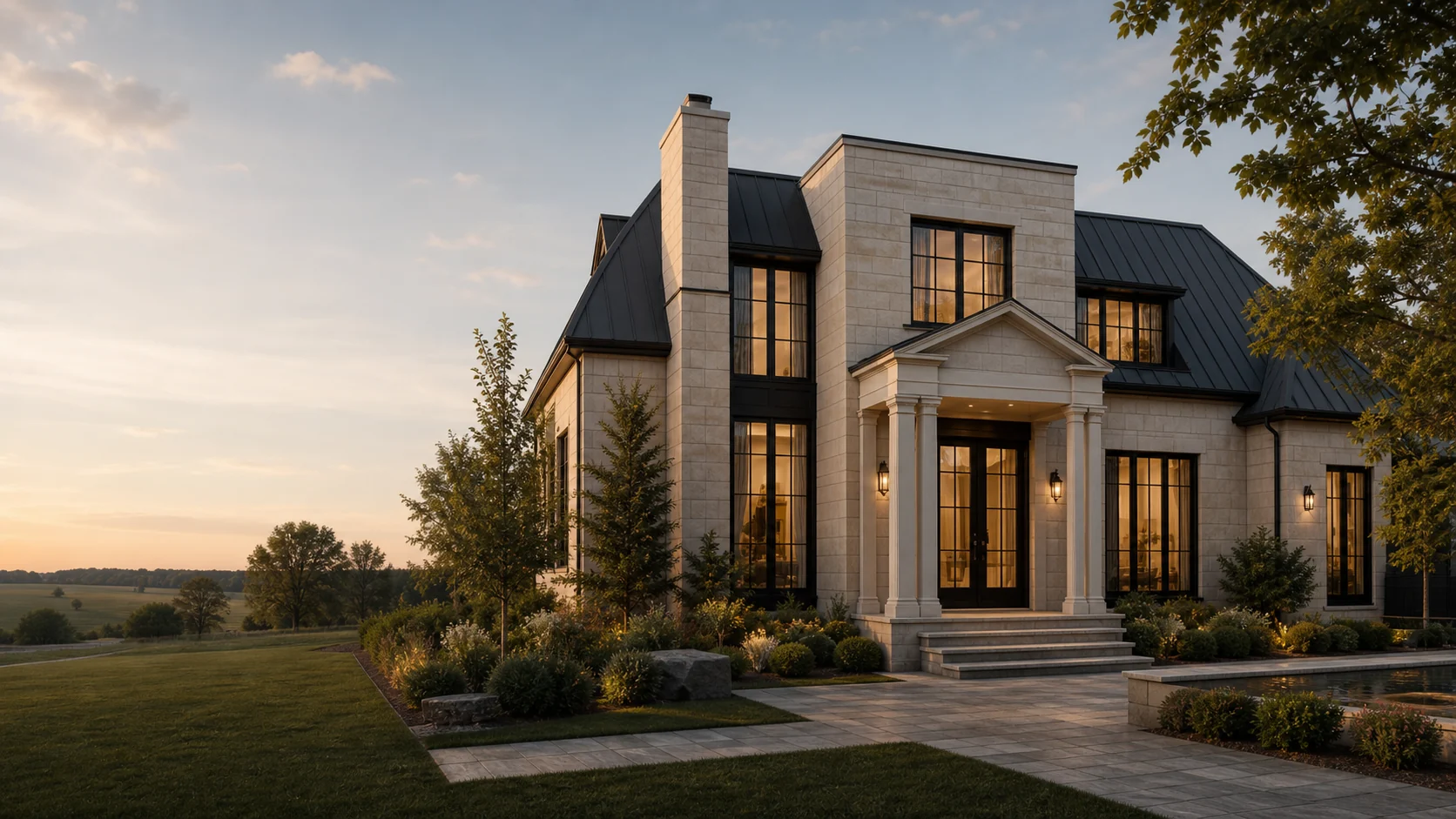
Select a builder and review their portfolio
Your builder is your partner for the next year or more. Look for a builder with experience in custom homes, not just spec houses. Ask to see their portfolio of completed projects. Visit those homes if possible. Pay attention to the quality of finishes, the layout of rooms, and how well the builder worked with the land. A good builder will also have a network of reliable subcontractors for foundation, framing, roofing, and interior work. When you meet a builder like Hache Homes, ask about their design-build process. This approach keeps the design and construction teams under one roof, which can reduce miscommunication and delays.
Design your home with function and flow
Once you have a builder, you move into the design phase. Work with an architect or a designer who specializes in custom homes. Start with the floor plan. Think about how your family moves through the house. Do you want an open-concept living area, or separate rooms for privacy? Consider future needs, like aging in place or space for a growing family. The kitchen and bathrooms are the most expensive rooms, so plan them carefully. Think about storage: closets, pantry, mudroom, and garage. A well-designed home is not just beautiful; it works for your life. Your builder can help you balance your wish list with your budget.
Get detailed cost estimates and a contract
Before construction starts, you need a detailed cost breakdown. This should include the foundation, framing, roofing, windows, doors, insulation, drywall, flooring, cabinetry, countertops, plumbing, electrical, and finishes. Ask for allowances for fixtures and finishes you have not selected yet. The contract should also list the payment schedule, timeline, and what happens if delays occur. Read every line. If something is unclear, ask for clarification. A good builder will be transparent about costs. This is the time to ask about warranties on workmanship and materials. A signed contract protects both you and the builder.
Prepare the lot and lay the foundation
With permits in hand, site work begins. The builder will clear the lot, grade the land, and dig the foundation. This is a good time to walk the site with your builder. Check that the foundation is level and properly waterproofed. Ask about drainage around the foundation to prevent future water problems. The type of foundation depends on your soil and climate. A slab foundation works well in warm areas, while a basement or crawl space suits colder regions. The foundation is the most critical part of the structure, so do not rush this phase.
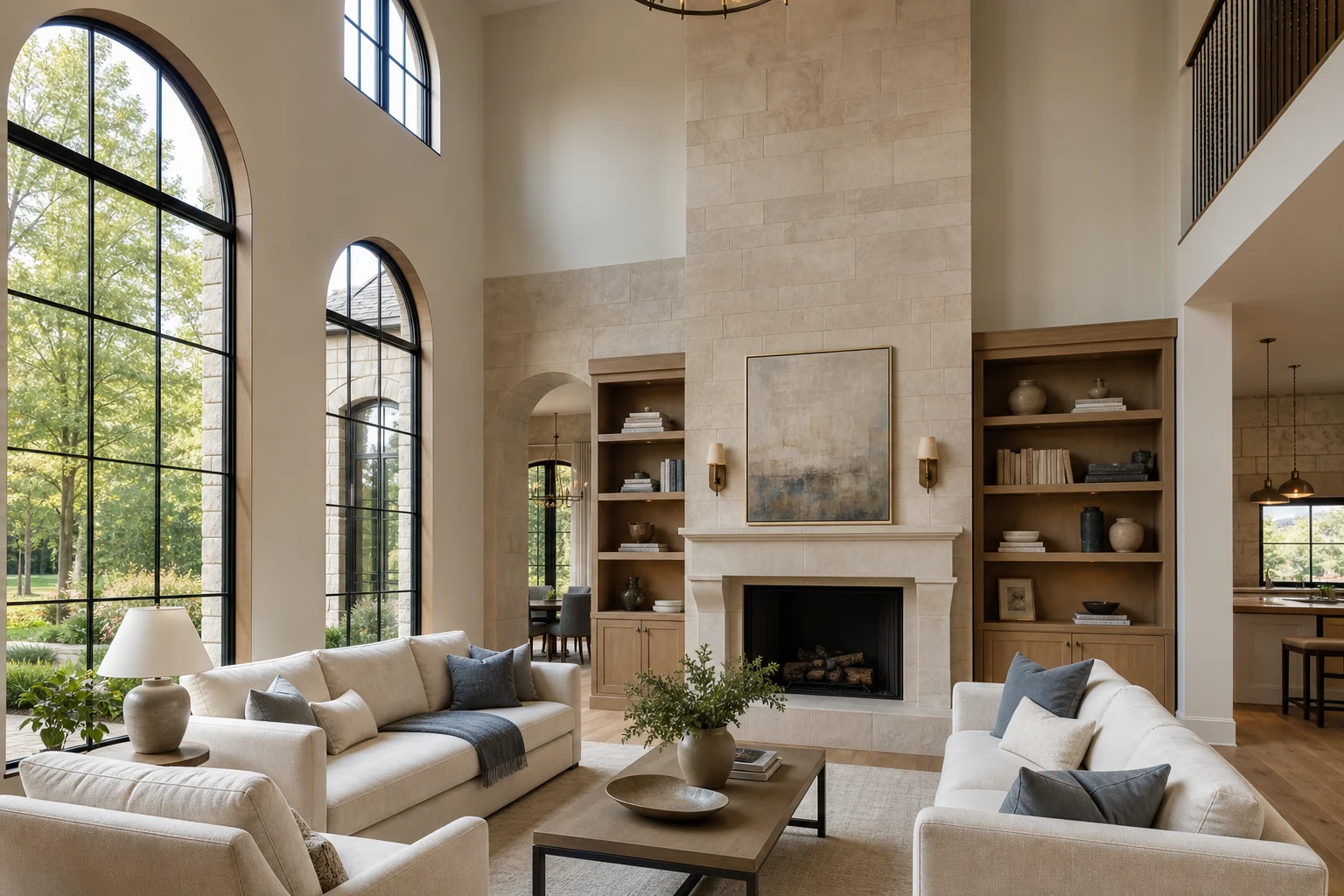
Frame the house and install systems
Once the foundation cures, the framing goes up. This is when you see your floor plan come to life. Walk through the framed house to check room sizes and window placement. It is easier to move a wall now than after drywall is installed. After framing, the mechanical systems go in: plumbing, electrical, and HVAC. Make sure the builder uses quality materials and follows code. Ask about energy efficiency. Good insulation, double-pane windows, and a high-efficiency furnace can lower your utility bills for decades. This is also the time to install rough-in for a future bathroom or laundry if you plan to finish the basement later.
Finish the interior and choose materials
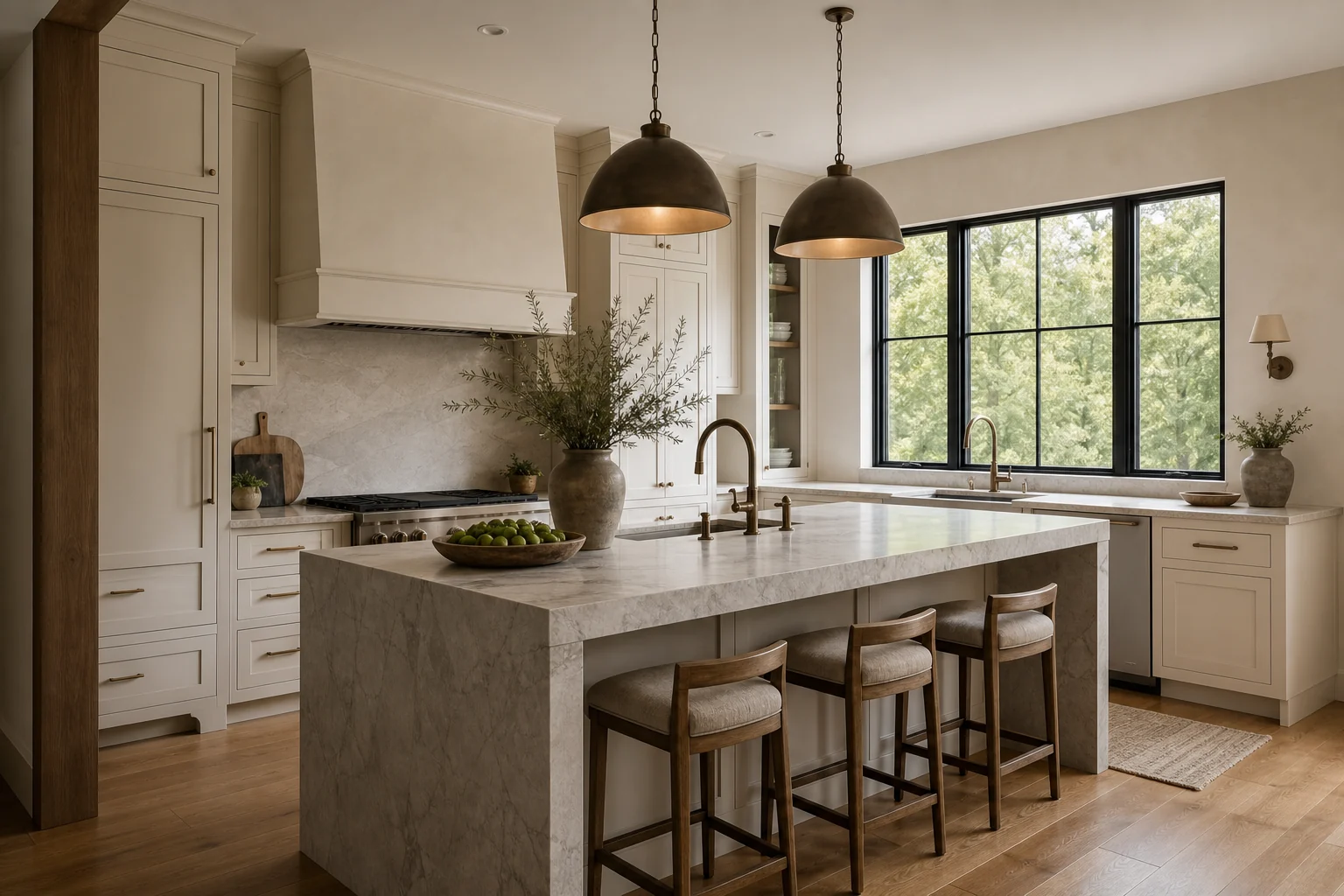
The finishing phase is where your personal taste takes over. You will select flooring, cabinetry, countertops, paint colors, and fixtures. Visit showrooms to see samples in person. Lighting can change how a room looks, so test it at different times of day. Consider the maintenance of each material. Hardwood floors look great but scratch easily; tile is durable but cold underfoot. For countertops, quartz is low-maintenance while marble needs regular sealing. Your builder can help you find a balance between style and practicality. Keep a folder with receipts and samples so you can track your choices.
Inspect the work and create a punch list
As the home nears completion, schedule a walkthrough with your builder. Bring a notepad and a camera. Look for issues like paint drips, uneven caulking, doors that stick, or outlets that do not work. Test every appliance, faucet, and light switch. Check that the heating and cooling system works in every room. Note any cracks in the foundation or gaps around windows. This punch list is your chance to have the builder fix problems before you move in. A reputable builder will address every item promptly. Do not sign off until you are satisfied.
Plan your move and final walkthrough
When the punch list is complete, you are ready to move in. But first, do a final walkthrough with your builder. Confirm that all systems work, the house is clean, and the landscaping is done. Take photos of the finished home for insurance purposes. Arrange for utilities to be transferred to your name. Change the locks and set up your security system. This is also the time to ask for a homeowner's manual that includes information on warranties, maintenance schedules, and contact numbers for subcontractors. A smooth move-in is the reward for all the planning you did.
Maintain your custom home after move-in
Your custom home is a major investment. Keep it in good shape with regular maintenance. Clean gutters, inspect the roof, service the HVAC system, and check for leaks. Many builders offer a one-year warranty on workmanship, so report any issues promptly. Over time, you will learn how your home performs in different seasons. A well-maintained home holds its value and stays comfortable. If you plan future projects like a deck or an accessory dwelling unit, refer back to your original plans to ensure everything remains consistent with the building code. For more ideas and resources, you can explore hacheco.com for inspiration on custom home planning.
Building a custom home takes time, patience, and a good team. By following this checklist, you can move from property search to move-in with confidence. Every decision you make along the way affects the final result. Stay involved, ask questions, and trust your builder. The effort you put into planning now will pay off for years to come. For additional guidance, check hacheco.com to see how experienced builders approach similar projects.
❧